

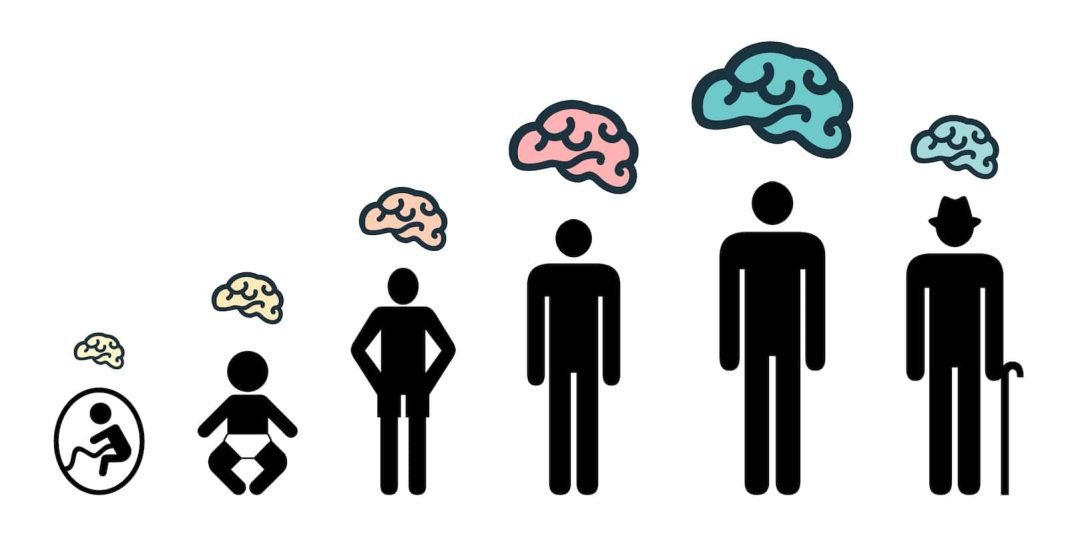
A growing body of scientific evidence is reinforcing a powerful message: regular physical exercise does far more than strengthen muscles and improve heart health. A newly published international study suggests that aerobic exercise may significantly slow brain aging and, in some cases, even reverse age-related cognitive decline. The findings are being hailed as a breakthrough in understanding how lifestyle choices can protect brain health as populations around the world continue to age.
The study focused on how consistent aerobic activity, such as walking, cycling, swimming, or jogging, affects brain structure and function over time. Researchers observed that individuals who engaged in regular aerobic exercise showed improved memory, faster information processing, and stronger executive function compared to sedentary participants of similar age. Brain imaging also revealed healthier neural connections and reduced shrinkage in areas typically associated with aging.
One of the most striking conclusions from the research is that exercise does not merely slow decline but may actively restore certain cognitive functions. Participants who adopted consistent aerobic routines demonstrated measurable improvements in brain regions linked to learning and memory. These changes suggest that the brain retains a surprising degree of plasticity well into older age, challenging long-held assumptions that cognitive decline is unavoidable.
Scientists involved in the study emphasize that increased blood flow to the brain plays a key role in these benefits. Aerobic exercise enhances circulation, delivering more oxygen and nutrients to brain tissue while promoting the growth of new blood vessels. This process supports the survival of neurons and encourages the formation of new neural connections, which are essential for maintaining cognitive flexibility and mental sharpness.
The research also highlights the role of exercise in reducing inflammation and oxidative stress, both of which are closely associated with neurodegenerative conditions. Chronic inflammation has been linked to diseases such as Alzheimer’s and other forms of dementia. Regular physical activity helps regulate inflammatory responses, potentially lowering the risk of developing these conditions later in life.
Mental health benefits were also observed alongside cognitive improvements. Participants reported lower levels of anxiety and depression, conditions that are known to accelerate cognitive decline when left unmanaged. By improving mood and reducing stress hormones, exercise creates a more favorable environment for long-term brain health.
Experts from organizations including World Health Organization have long advocated physical activity as a cornerstone of healthy aging, and this new study adds compelling neurological evidence to support those recommendations. Health professionals now view exercise not only as a preventive measure for physical illness but also as a powerful, accessible tool for maintaining cognitive vitality.
Importantly, the study found that benefits were achievable without extreme fitness regimens. Moderate, consistent aerobic activity performed several times a week was sufficient to produce noticeable improvements. This makes the findings especially encouraging for older adults who may feel intimidated by intense workout programs. Even simple lifestyle changes, such as daily brisk walks, can contribute meaningfully to brain health over time.
The implications of this research extend beyond individual well-being. As healthcare systems worldwide grapple with rising rates of age-related cognitive disorders, exercise-based prevention strategies could reduce long-term medical costs and improve quality of life for millions of people. Encouraging physical activity at the community level may become an essential part of public health strategies aimed at combating cognitive decline.
Researchers caution that exercise is not a cure-all, but they agree it is one of the most effective non-medical interventions currently available. When combined with balanced nutrition, adequate sleep, and mental engagement, physical activity forms a strong foundation for lifelong brain health.
This study reinforces a hopeful message: aging does not have to mean inevitable cognitive loss. By staying active, individuals can take meaningful steps to protect their brains, maintain independence, and preserve mental clarity well into later life. As science continues to uncover the deep connection between movement and the mind, exercise is emerging as one of the most powerful tools for healthy aging in the modern world.

I’m a lifestyle and wellness blogger with a focus on self-care and mindfulness. I’ve been on a journey of personal growth and self-discovery for the past few years, and I’ve learned so much about the importance of taking care of ourselves. My blog is a space where I share my experiences, tips and advice for living a healthier, happier life.