

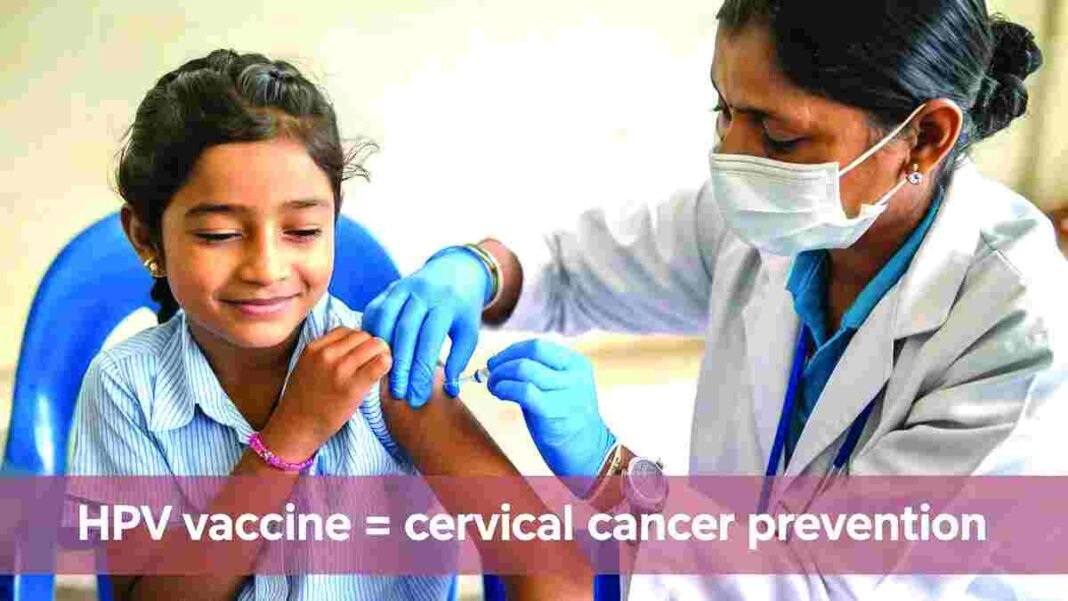
A major development in global healthcare is putting renewed focus on the long-term effectiveness of vaccines, as Merck prepares to present new clinical and real-world data on its widely used HPV vaccines, Gardasil and Gardasil 9. The findings, set to be unveiled at the EUROGIN International HPV Congress 2026 in Vienna, reinforce growing confidence in the durability of protection offered by these vaccines.
According to the latest data, Gardasil 9 has shown effectiveness for at least 14 years after the standard three-dose vaccination schedule, while the earlier quadrivalent Gardasil vaccine has demonstrated protection lasting up to 18 years. These results represent one of the longest follow-up periods for any widely used vaccine targeting cancer-causing viruses, highlighting the long-term benefits of early immunization.
Human papillomavirus, or HPV, is one of the most common viral infections worldwide and is responsible for several types of cancer, including cervical, anal, and oropharyngeal cancers. Vaccination programs targeting HPV have been a cornerstone of global public health strategies, especially among adolescents. The new findings further validate these efforts by showing that protection extends well beyond initial expectations.
What makes this update particularly important is the inclusion of both clinical trial data and real-world evidence collected from multiple countries, including the United States, Denmark, Sweden, and the United Kingdom. This broader dataset strengthens the credibility of the results and confirms that the vaccine’s effectiveness is consistent across different populations and healthcare systems.
The research also sheds light on protection against HPV-related oropharyngeal cancers, a category that has been gaining attention in recent years due to rising incidence rates. By demonstrating long-term protection against these conditions, the vaccine’s role expands beyond cervical cancer prevention to a wider spectrum of diseases affecting both men and women.
Another key takeaway from the data is the continued emphasis on early vaccination. Health experts have long recommended administering the HPV vaccine during adolescence, before exposure to the virus. The new findings reinforce that early vaccination not only provides immediate protection but also ensures long-lasting immunity that can extend into adulthood.
Despite these promising results, experts continue to highlight the importance of regular health screenings. Vaccination significantly reduces the risk of HPV-related diseases but does not eliminate it entirely, especially for virus strains not covered by the vaccine. This balanced approach underscores the need for both prevention and early detection in managing cancer risks.
The timing of this announcement is also notable. In recent years, vaccine uptake has faced challenges in certain regions due to supply disruptions, changing immunization guidelines, and declining demand in key markets. At the same time, global health organizations have been pushing to expand HPV vaccination coverage, particularly in developing countries where cervical cancer remains a leading cause of death among women.
These new long-term data could play a critical role in rebuilding confidence and encouraging broader adoption of HPV vaccination programs worldwide. By demonstrating sustained effectiveness over more than a decade, the findings address one of the most common concerns among patients and healthcare providers — how long protection actually lasts.
From a broader perspective, this development reflects a shift in how vaccines are evaluated and communicated. Long-term data are becoming increasingly important, not just for regulatory approval but also for public trust. As healthcare systems continue to prioritize preventive medicine, evidence of durable protection will be essential in shaping future vaccination strategies.
In the case of Gardasil, the message is clear. Nearly two decades after its introduction, the vaccine continues to prove its value, not only in preventing infections but in reducing the long-term burden of cancer worldwide.
