

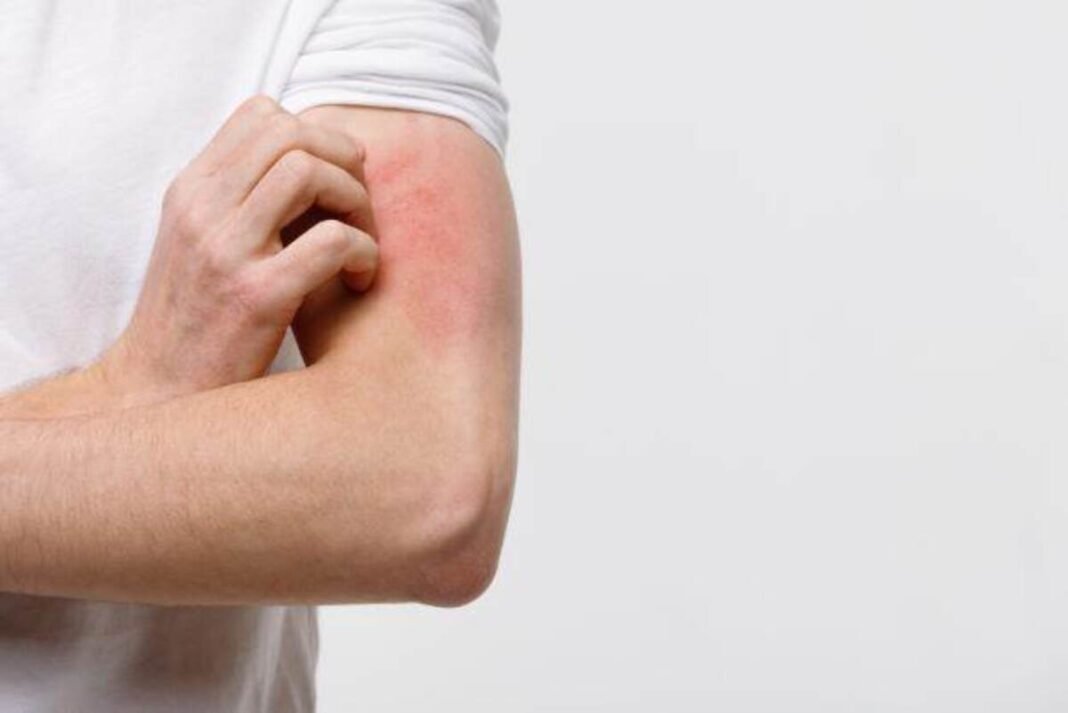
For millions of people living with notalgia paresthetica, a frustrating neuropathic itch condition that causes intense, persistent scratching between the shoulder blades, daily life can feel like an endless battle against an unreachable irritation. Now, new clinical evidence highlights oral difelikefalin as a promising targeted therapy that substantially reduces itch intensity, offering renewed hope for patients who have struggled with limited treatment options.
Notalgia paresthetica is a chronic sensory neuropathy often linked to nerve compression or irritation in the upper back. Patients typically experience moderate to severe pruritus that leads to hyperpigmentation, skin thickening, and sometimes pain from repeated scratching. Traditional treatments such as topical steroids, antihistamines, or physical therapy provide inconsistent relief, leaving many searching for more effective solutions.
In a pivotal Phase 2 randomized, double-blind, placebo-controlled trial known as KOMFORT, researchers evaluated oral difelikefalin in adults with moderate-to-severe pruritus associated with notalgia paresthetica. A total of 126 patients were enrolled across 28 sites in North America. Participants received either 2 mg of oral difelikefalin twice daily or a matching placebo for eight weeks following a brief run-in period.
The primary endpoint focused on the change from baseline in the weekly mean Worst Itch Numeric Rating Scale (WI-NRS) score. At the start, both groups reported a mean baseline score of 7.6, indicating severe itch. After eight weeks, patients taking difelikefalin experienced a mean reduction of 4.0 points, compared to a 2.4-point reduction in the placebo group. This resulted in a statistically significant difference of 1.6 points favoring the active treatment.
Exploratory analyses showed that improvements in itch intensity appeared as early as the first week and continued throughout the study period. While some secondary outcomes related to quality of life and sleep did not reach statistical significance, the overall trend supported the primary finding of meaningful itch reduction for many participants.
Difelikefalin works as a selective kappa opioid receptor agonist. Unlike traditional opioids, it primarily targets peripheral receptors and does not readily cross the blood-brain barrier, minimizing central nervous system side effects such as euphoria or addiction risk. This mechanism makes it particularly suitable for treating chronic pruritus without the drawbacks associated with other opioid-based therapies.
The drug was generally well tolerated, though some adverse events occurred more frequently in the difelikefalin group. These included headache, dizziness, constipation, and increased urine output. Most side effects were mild to moderate, and the overall safety profile remained consistent with previous studies of the medication in other itch-related conditions.
Cara Therapeutics, the developer of difelikefalin (also known as KORSUVA in its injectable form for chronic kidney disease-associated pruritus), has advanced the oral formulation into larger Phase 2/3 pivotal trials under the KOURAGE program. These ongoing studies aim to confirm the benefits observed in the earlier trial and support potential regulatory approval specifically for notalgia paresthetica. Topline results from the first pivotal study are anticipated by the end of 2025, with additional data expected in early 2026.
Dermatologists and neurologists have welcomed these findings as a potential game-changer. Currently, no FDA-approved treatment exists specifically for notalgia paresthetica, forcing clinicians to rely on off-label options with variable success. If approved, oral difelikefalin could become the first dedicated therapy for this often underdiagnosed condition, significantly improving quality of life for affected individuals.
Patients who achieve substantial itch relief report better sleep, reduced skin damage, and greater ability to focus on daily activities without constant distraction from discomfort. The convenience of an oral tablet further enhances its appeal compared to topical applications or injections.
As larger trials progress and long-term data accumulate, researchers continue to explore difelikefalin’s role in other forms of neuropathic itch. For now, the Phase 2 results provide strong evidence that this innovative kappa opioid agonist can deliver clinically meaningful relief where other treatments have fallen short.
For those living with the relentless itch of notalgia paresthetica, oral difelikefalin represents a targeted scientific advance that could finally break the cycle of discomfort and restore comfort to everyday life. As development advances toward potential approval, patients and healthcare providers alike are watching closely for the next chapter in itch management.
