
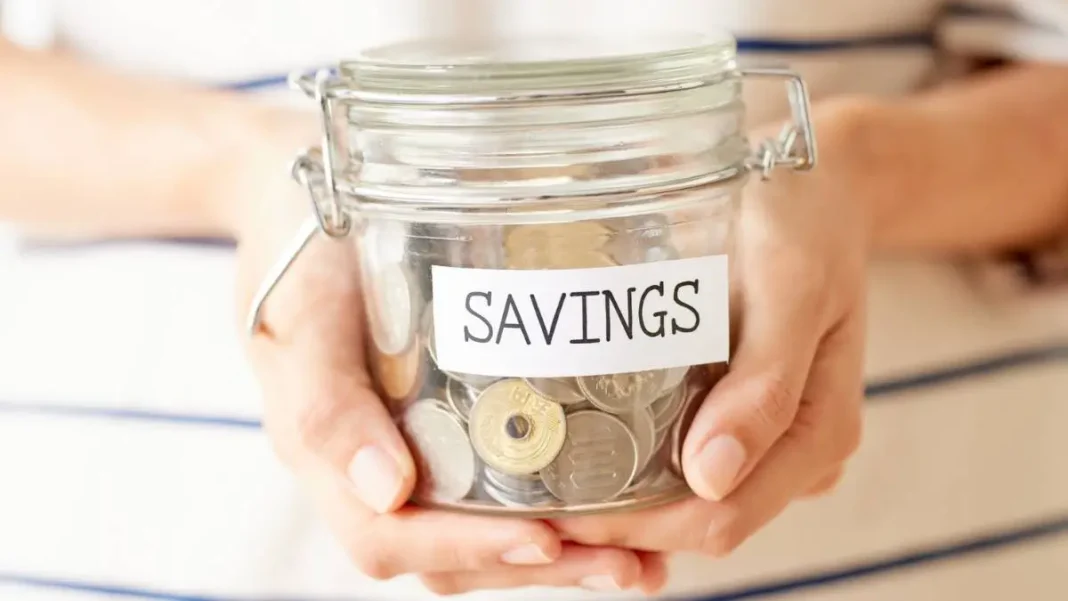
Pay Yourself First
The biggest change you can make in your financial life is to make savings a non-negotiable expense, rather than something you have to budget for later. When you get paid at the beginning of the month, before you pay bills, food shopping or have fun, move a set percentage into your savings account immediately. Tell your bank to do it automatically. That way you take the money and move it to savings before you get a chance to spend it. If you start the month with a savings transaction, the rest of the finances will come together while your future silently builds itself up.
Create a Budget and Follow It
A budget is not a sentence; it is a guide. Without a budget, your income disappears like magic and for no reason. Sit beginning of the month, allocate portions of your income into relevant categories such as food, utilities, housing costs every month. money for eating out, fun, entertainment. portion for savings and debt payment. Use programs like Mint or YNAB or a simple spreadsheet to track where your rupees or dollars are going. The simple recognition of this will give you the best weapon for cutting down on wasteful expenditures.
Cancel subscriptions you forgot you had
Most of us are shelling out 2 or 3 subscriptions and not using them anymore. Streaming services, gym memberships, subscriptions to apps, online magazines and etc. – are draining off enormous amounts of money from your account month after month. This week: Set aside fifteen twenty minutes and review your bank or credit card statement. List down all the recurring charges. Cancel all those services which you haven’t used in the past 30 days. You might be surprised to see how you are spending thousands of rupees every month on such services which contribute had little value to you.
Eat More Often at Home
Food is one of the largest, most controllable expenses in a monthly budget. Eating out regularly (or getting food on delivery apps) can be three to five times more expensive than cooking the same meal at home. Make a habit of meal planning at the start of each week, purchasing ingredients in bulk and cooking dishes in batches that last a few days. Cooking at home is a great way to save lots of money, but it’s also usually healthier and a lot less wasteful. If you cut out restaurant meals from 5 times a week to 2, you will see a difference in your savings.
The 48-Hour Rule to Avoid Impulse Buying
Impulse buying is the biggest waster of your stomach and bank accounts ever. Shops, online shops and every shopping app will all be carefully designed so that you end up buying things on impulse-flash sales, 3-for-2’s, extra discounts and fast ordering all steal your rational mind. Fight it with a simple strategy: if you’re about to buy something out of your shopping list, delay it for 2 days, in most of the case you’ll end up wanting it so much less. If you still do, see if it fits into your budget.
Cut Energy and Utility Costs
You’re just a few simple habits away from big savings on your energy bill at home. Turn off lights or fans in rooms you’re not using. Unplug electronics when they aren’t in use (standby power is a lot!). Purchase energy saving devices and appliances. Do high energy activities like laundry at off-peak times. And, of course, installing LED light bulbs and programming your thermostat can make a difference on your bill too. And, keeping track of your water use makes a difference too. These aren’t huge changes, just some small habits that pay off big.
Shop Smart & Compare Before You Buy
You can find a better price. You can shop around. Research before you buy-that applies to any big expense-money goes further if you take a few minutes to check prices at different sites and shops. Keep money in your wallet by hunting for and using coupon codes and cash back sites and loyalty reward schemes. Building up stock of long-lasting household basics when they are on special. Never go shopping without a list and do not go hungry. The point of good shopping is not about being stingy, it is about using what you have as carefully as you can.
Tackle Your Debt Strategically
In personal finance, one of the most costly habits is being saddled with high-interest debt. Undoubtedly, credit card balances hold this honor. Every rupee of interest you pay each month is money that could be invested elsewhere. Use the avalanche approach to tackling your debt: attack the high-interest balances first, or use the snowball approach and pay off the small balances to gain confidence. Most importantly, do not accumulate debts for non-essential purchases. Every rupee of credit you pay back opens up money for growth.
Find Free or Cheap Entertainment
Fun and affordable entertainment and leisure. Libraries offer free access to books, movies and even digital resources. Parks, hiking trails, community events and free museum days offer meaningful experiences at no cost. If you hang on to one or two streaming services, they have so much more than most people will ever watch. You can save a ton of money and keep your friendships alive by hanging out with friends at home instead of always going out. Many of the best things in life – connection, nature, creativity and learning – either cost nothing or very little.
Create an emergency fund before you invest
On the other hand, trying to save without having an emergency fund in place is like building a house without any kind of base. No matter how careful you are, there is always something waiting around the corner to leach money – a trip to the doctor, car breakdown or a period of unemployment. If you don’t have enough money to cover those costs, you’ll either find yourself being forced into taking out a loan to cover this, or accidentally using up all of your savings. Try to build up yourself an emergency fund of 3 to 6 months worth of living expenses, held in an account which you can access easily. Once you’ve got that safety net in place, everything else you need to do financially – investing, home ownership, building wealth – becomes so much more manageable.
Review Your Finances Monthly
Small savings habits will get you long term results – even if you do this just once a month. Take 15-20 minutes at the end of each month to review your income, expenses and progress with your savings goals. Reward yourself by recognizing your wins, record the overages and make a tiny adjustments for next month. This monthly check-in makes your habits intentional and consistent, making saving sustainable. This is the thing that appears simple but takes commitment in just saving monthly that distinguishes those who wish they saved more from those who did.

Writeic.com is a creative platform dedicated to writers, interview, storytellers, and digital creators who want to inspire the world through words. The authors at Writeic share insights on writing, creativity, storytelling, motivation, success story, and content creation to help readers grow their voice and unlock their creative potential.