
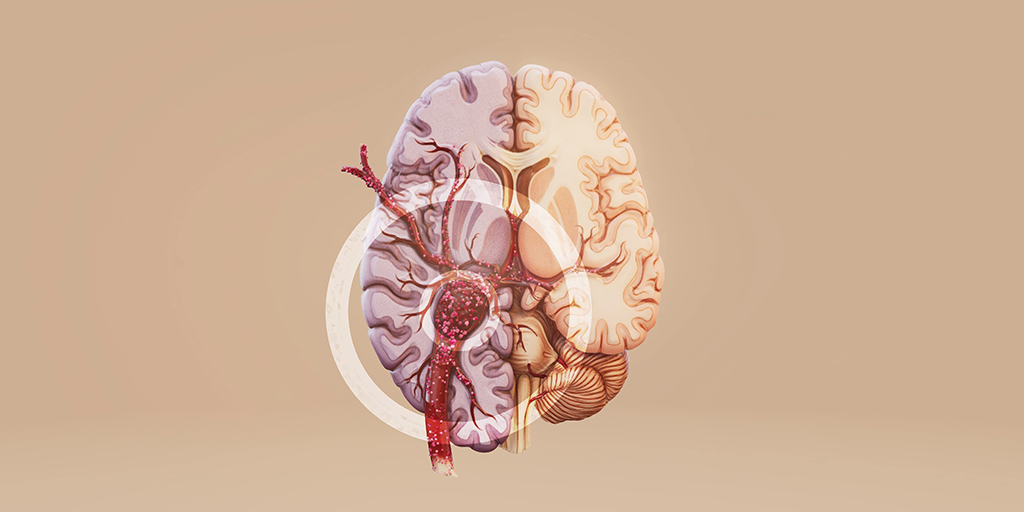
What Is a Brain Clot?
A blood clot in the brain is a very serious and potentially life-threatening medical emergency. A stroke, also called a cerebrovascular accident (CVA), happens when a clot blocks a blood vessel carrying blood to the brain or when a blood vessel ruptures and bleeds inside the brain. Either event stops oxygen and nutrients from reaching brain cells, damaging brain tissue. Brain tissue is very sensitive to lack of oxygen. A clot blocks oxygen and nutrients from reaching brain tissue, and brain cells die quickly. Stroke is one of the leading causes of disability and death in India and ischemic strokes caused by a clot make up about 87% of all stroke cases worldwide. Since brain blood clots deteriorate rapidly, any suspected stroke should be treated as an emergency and every minute counts towards the outcome.
Brain Clots Types
Brain blood clots aren’t all the same. Type and clinical course depend on the site of clot formation and whether it occludes an artery or a vein.
Ischemic Stroke (80-85% of all strokes) Ischemic stroke is the most common type of stroke. It occurs when a blood vessel supplying the brain is blocked by a clot. There are two further sub-types within this category. A thrombotic stroke happens when a clot forms in an artery in the brain that is already narrowed by atherosclerosis, and is a common cause of blood clotting in the brain due to high blood pressure or diabetes. A moving clot (called an embolus) that forms somewhere else in the body, often in the heart or arteries of the neck, and travels through the bloodstream to the brain, causing a sudden blockage in the brain.
A hemorrhagic stroke occurs when a blood vessel breaks and bleeds into the surrounding tissue, putting pressure on and damaging the brain cells. Here the problem is not a blockage but the bleeding itself, which crushes and destroys nearby brain tissue, unlike in ischemic strokes.
Cerebral Venous Sinus Thrombosis (CVST) is a rare blood clot in one of the larger veins in the brain, accounting for approximately 1% of all types of stroke. However, this type of blood clotting occurs in the venous sinuses of the brain that drain deoxygenated blood rather than obstructing arterial flow. This causes blood to back up, creating pressure and sometimes bleeding. It is often associated with pregnancy, infection or certain hormonal medications, and is characterized by severe, atypical headaches.
Warning Signs of a Blood Clot in the Brain
A blood clot in the brain can cause symptoms such as a severe headache or weakness on one side of the body, which can be confusing or mistaken for less serious problems. Delays in recognising these signs can increase the risk of long-term complications. The acronym for timely ischemic stroke recognition is FAST : Face drooping Arm weakness Speech difficulty Time to call emergency services .
The chief warning symptoms are a sudden severe headache, often the most striking feature. Other common symptoms include dizziness or loss of balance and weakness or numbness, often on one side of the body. Other symptoms include numbness or paralysis of one side of the body, drooping of the face, difficulty with speech and understanding speech, changes in vision, dizziness and loss of balance.
Symptoms of CVST can include severe headache, visual symptoms, any of the symptoms of stroke such as weakness of the face and limbs on one side of the body and seizures, which occur in about 40% of patients. According to the Centers for Disease Control and Prevention (CDC), it is important to call emergency services or go to the nearest emergency room immediately if you see any of these signs.
Causes & Risk Factors
A wide range of medical conditions and lifestyle factors, sometimes in combination, may cause a blood clot in the brain.
Atherosclerosis is one of the main causes. Over time, fatty deposits called plaque can build up in the arteries, narrowing them and making it easier for blood clots to form. High blood pressure, or hypertension, can put stress on the walls of blood vessels. This can weaken the walls and increase the chance of blood clots developing. Diabetes is another major risk factor. High blood sugar levels can damage the lining of blood vessels and make them more likely to clot.
Smoking is another big factor. Chemicals in tobacco smoke damage the lining of blood vessels, making them rough and sticky and encouraging the formation of clots. Pregnancy and oral contraceptives are important risk factors especially for CVST. Heart disorders and heart valve problems, as well as inherited or acquired blood clotting disorders, also can increase the risk of clot formation by changing the flow of blood or the body’s clotting balance.
How Is It Diagnosed? .
Diagnosis must be rapid and accurate, since treatment options decrease with time. A general practitioner or neurologist makes a diagnosis of a blood clot in the brain based on the person’s signs and symptoms, laboratory and imaging results. Typically, the provider will order a complete blood count (CBC), coagulation studies, and D-dimer level.
The diagnosis is usually confirmed with computed tomography (CT scan) or magnetic resonance imaging (MRI) to demonstrate obstruction of the blood vessels involved in . MRI and CT scans are the most common imaging tests for CVST. Your doctor may also order a magnetic resonance venogram or CT venogram of the brain. Once the diagnosis has been confirmed, investigations may be performed to determine the underlying cause.
Treatment Options .
Depending on the type of clot, location, size, and how quickly the patient receives medical care, treatment varies. Simply put, lost time is lost brain.
Thrombolytic Therapy (Clot Busters) Thrombolytics (like Alteplase, or tPA) break down clots quickly and are most effective when administered within 4.5 hours of symptoms beginning. These drugs activate a natural blood protein called plasminogen, converting it into plasmin, which dissolves the fibrin that holds a clot together.
Mechanical Thrombectomy: Mechanical thrombectomy is a sophisticated endovascular procedure for patients with large-vessel occlusions involving inserting a catheter through an artery to the blocked brain artery where a stent retriever is used to snare and extract the clot. Research has shown that patients who have a mechanical thrombectomy recover faster and have a better quality of life than those who only use clot-busting tPAs.
Anticoagulants and Antiplatelet Agents Anticoagulants (such as heparin and oral blood thinners) and antiplatelet drugs (such as aspirin) do not dissolve existing clots; they prevent the clot from enlarging and decrease the likelihood of additional clots. They usually begin after the immediate crisis is over, when the brain scan shows no bleeding. Clots caused by an irregular heartbeat typically require long-term anticoagulation. Clots caused by the buildup of fatty plaque in arteries are more often treated with antiplatelet therapy.
Surgical Options: Hemorrhagic strokes and large hematomas may require surgery to relieve brain compression. Other surgical options include craniotomy, endovascular coiling, and surgical clipping, and may be required for certain patients.
Treatment of CVST:
• Measures to reduce intracranial pressure.
• Treatment of any infection if present.
• Use of anti-epileptics to prevent or treat seizures.
Most importantly, the cornerstone of management of CVST is timely and adequate anticoagulation with heparin. Guidelines recommend 3 to 12 months of anticoagulation for transient risk factors or indefinite anticoagulation for significant risk factors or recurrent events.
Recovery and the long-term outlook
Prognosis after a brain blood clot depends heavily on the type of blood clot, the part of the brain affected, and how quickly treatment is received. Potential long-term effects include paralysis, speech problems and memory loss. Rehabilitation, which includes physical therapy, speech therapy and occupational therapy, is central to helping survivors regain function.
The outlook for CVST is good if patients are diagnosed and treated quickly, but the patient will need to take medicine for at least three months after diagnosis, depending on the cause. Speed usually is the key in ischemic stroke. Brain tissue is highly sensitive to oxygen deprivation, and minutes of interrupted blood supply can lead to irreversible neurological damage. Knowing the symptoms, quick emergency response and access to modern stroke care are still the most powerful tools to improve outcomes for patients with a blood clot in the brain.

Writeic.com is a creative platform dedicated to writers, interview, storytellers, and digital creators who want to inspire the world through words. The authors at Writeic share insights on writing, creativity, storytelling, motivation, success story, and content creation to help readers grow their voice and unlock their creative potential.