

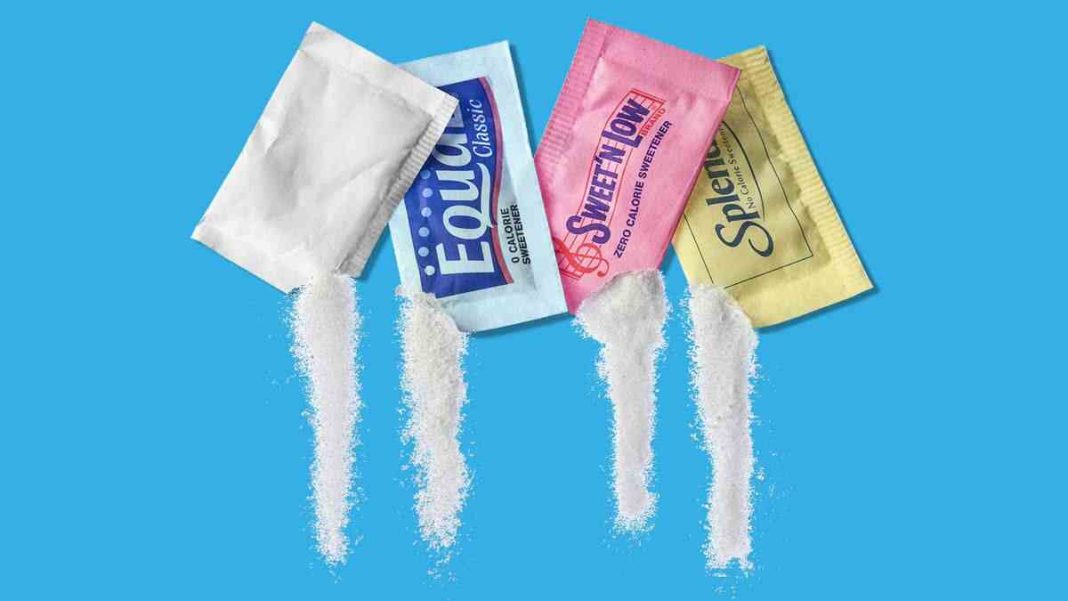
In a revelation that could upend decades of dietary advice, a landmark study published in the September 2025 issue of Neurology has exposed a troubling link between common artificial sweeteners and accelerated cognitive decline. Researchers tracking nearly 13,000 middle-aged adults over eight years found that those consuming the highest amounts of these zero-calorie sugar substitutes experienced brain aging equivalent to an extra 1.6 years—translating to a 62% faster drop in memory and thinking skills compared to low consumers. As diet sodas and low-sugar yogurts flood supermarket shelves, this data demands a hard look at what we’ve long dismissed as harmless swaps.
The Brazilian Longitudinal Study of Adult Health, led by Claudia Kimie Suemoto from the University of São Paulo, zeroed in on seven ubiquitous sweeteners: aspartame, saccharin, acesulfame-K, erythritol, xylitol, sorbitol, and tagatose. Participants, averaging 52 years old, reported their diets at baseline, then underwent repeated cognitive batteries assessing verbal fluency, word recall, working memory, and processing speed. High consumers—averaging 191 milligrams daily, roughly one diet soda’s worth of aspartame—showed steeper declines across the board. The effect was starkest in those under 60 and people with diabetes, groups already leaning on these additives to manage blood sugar.
“Low- and no-calorie sweeteners are often seen as a healthy alternative to sugar,” Suemoto noted. “However, our findings suggest certain sweeteners may have negative effects on brain health over time.” This midlife vulnerability is particularly alarming, as it points to exposures decades before dementia symptoms surface, potentially setting irreversible trajectories for vascular and Alzheimer’s risks. Prior research has tied these compounds to gut microbiome disruptions, inflammation, and metabolic chaos, but their direct hit on cognition was uncharted territory until now.
The implicated culprits lurk in everyday staples: aspartame in Diet Coke and sugar-free gum, saccharin in flavored waters, erythritol in keto desserts, and xylitol in energy bars. While tagatose showed no association, the others correlated with memory lapses and foggy recall—echoing animal studies where these chemicals crossed the blood-brain barrier, mimicking glucose but failing to fuel neurons properly. For diabetics, the double whammy is dire: diabetes alone hastens brain aging, and layering on sweeteners amplifies the insult, possibly via heightened oxidative stress or altered insulin signaling in the hippocampus.
Industry pushback was swift. The International Sweeteners Association countered that global health bodies like the FDA and WHO affirm these additives’ safety, emphasizing the study’s observational nature—no causation proven, self-reported diets prone to recall bias, and not all sweeteners scrutinized. Yet experts like Dr. Sudha Seshadri from Boston University hailed it as a wake-up call: “Midlife dietary choices may carry lifelong consequences for brain health, urging neurologists to rethink recommendations for at-risk patients.”
The timing couldn’t be more poignant. With ultra-processed foods—laden with these hidden accelerators—comprising 60% of U.S. calories, consumers face a stealthy cognitive thief. Early adopters are pivoting: swap diet fizz for infused waters with fresh berries, or natural stevia in moderation over synthetic blends. Nutritionists advocate whole-food sweetness—think honey-drizzled oats or fruit-sweetened yogurt—for sustained energy without the neural toll.
This isn’t about demonizing progress; it’s a pivot toward precision. As 2025 closes with brain health under the spotlight, the sweetener saga underscores a broader truth: in chasing calorie cuts, we can’t afford to shortchange our minds. More randomized trials are needed, but for now, the message is clear—your next sip could be costing you clarity years down the line.
