

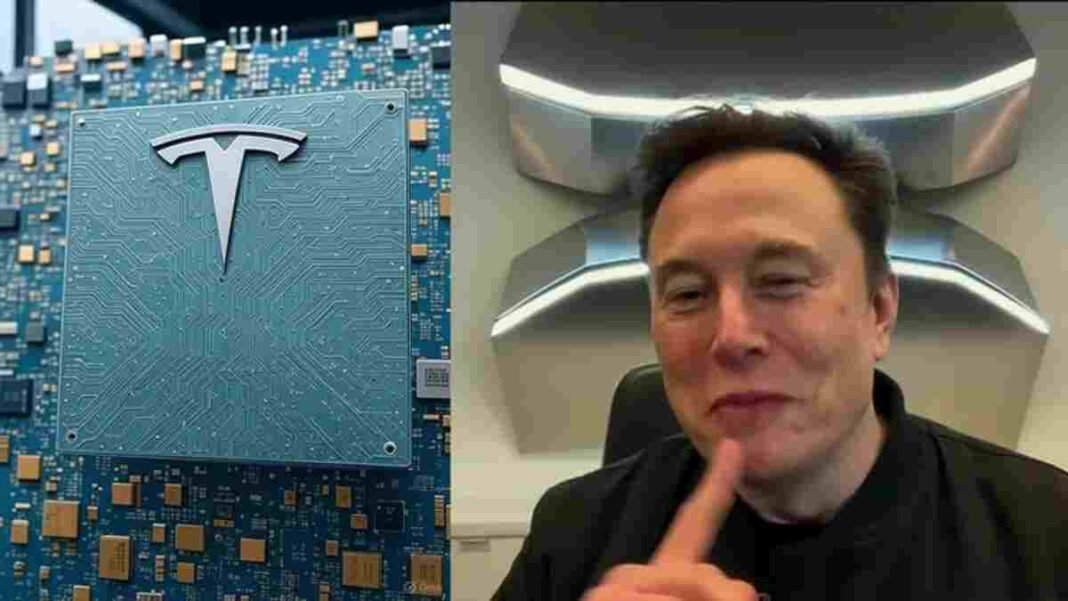
Elon Musk is once again pushing the boundaries of technological ambition, announcing plans to build advanced semiconductor chip factories in Austin, Texas, through his companies Tesla and SpaceX. The move highlights a strategic shift toward greater control over critical hardware components, especially as artificial intelligence, autonomous systems, and space technologies demand increasingly specialized chips.
The proposed chip manufacturing facilities are expected to play a key role in supporting Tesla’s self-driving ambitions and SpaceX’s expanding satellite and space exploration programs. By bringing chip production closer to its core operations, Musk aims to reduce reliance on external suppliers and gain tighter control over performance, cost, and innovation cycles. This approach reflects a growing trend among tech giants to vertically integrate their supply chains in response to global semiconductor shortages and rising geopolitical tensions.
Austin has quickly emerged as a major hub for high-tech manufacturing, and Musk’s decision to expand chip production in the region reinforces its strategic importance. Tesla’s Gigafactory Texas already serves as a centerpiece for electric vehicle production, and the addition of semiconductor facilities could transform the area into a next-generation innovation cluster. SpaceX’s involvement further amplifies the significance of the project, as the company continues to scale its Starlink satellite network and prepare for future missions to the Moon and Mars.
The focus on advanced chips suggests that Musk is not just targeting conventional semiconductor production but aiming to develop highly specialized processors tailored for specific use cases. For Tesla, this likely includes next-generation AI chips designed to power autonomous driving systems, enabling faster data processing and improved decision-making capabilities. For SpaceX, custom chips could enhance satellite communication, onboard computing, and mission-critical systems.
This initiative comes at a time when the global semiconductor industry is undergoing rapid transformation. Demand for chips has surged across multiple sectors, from automotive and consumer electronics to cloud computing and artificial intelligence. At the same time, supply chain disruptions and geopolitical tensions have exposed vulnerabilities in the existing ecosystem, prompting companies and governments to invest heavily in domestic manufacturing capabilities.
Musk’s plan aligns with broader efforts in the United States to strengthen semiconductor independence and reduce dependence on overseas production. By building advanced chip factories domestically, Tesla and SpaceX could contribute to a more resilient supply chain while also benefiting from government incentives aimed at boosting local manufacturing. This could accelerate innovation and create new opportunities for collaboration within the tech ecosystem.
The integration of chip manufacturing into Tesla’s operations could also have significant implications for the electric vehicle market. As vehicles become more software-driven, the importance of powerful and efficient chips continues to grow. By developing its own semiconductors, Tesla could achieve better optimization between hardware and software, potentially delivering superior performance and unlocking new features that competitors may struggle to match.
For SpaceX, the impact could be equally transformative. The company’s ambitious goals, including expanding global internet coverage through Starlink and advancing deep-space exploration, require highly reliable and efficient computing systems. Custom-built chips could enhance the performance and scalability of these initiatives, giving SpaceX a technological edge in an increasingly competitive space industry.
However, building semiconductor factories is a complex and capital-intensive endeavor. It requires significant investment, advanced infrastructure, and a highly skilled workforce. Musk’s track record of tackling large-scale engineering challenges suggests that he is willing to take on these hurdles, but the success of the project will depend on execution and long-term commitment.
The announcement also underscores the growing convergence of industries such as automotive, aerospace, and semiconductor manufacturing. As technology continues to evolve, the lines between these sectors are becoming increasingly blurred, creating new opportunities for innovation and collaboration. Musk’s vision of integrating chip production with vehicle and space technologies exemplifies this trend.
If successful, the Austin chip factories could mark a turning point for Tesla and SpaceX, enabling them to operate with greater independence and flexibility. More importantly, it could signal a broader shift in how leading companies approach critical technologies, prioritizing control, customization, and resilience in an unpredictable global landscape.
As the project moves forward, industry observers will be watching closely to see how Musk’s latest venture unfolds. With the potential to reshape both the semiconductor industry and the future of AI-driven technologies, the planned chip factories represent another bold step in Musk’s ongoing quest to redefine what is possible.
