
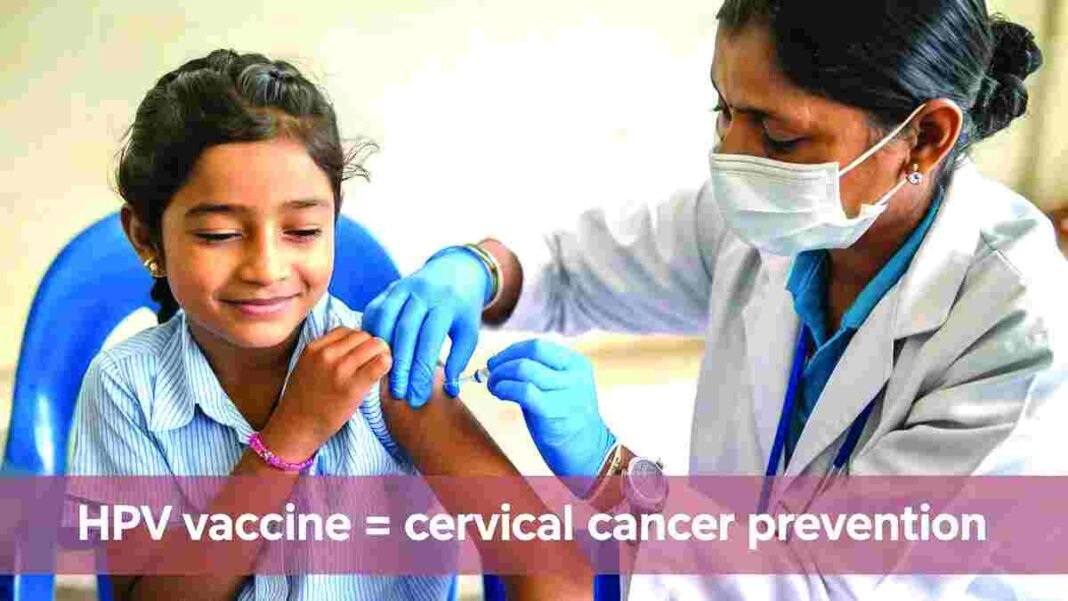
A significant advancement in global healthcare is sparking renewed interest in the long-term effectiveness of vaccines as Merck gets ready to release new clinical and real-world data on its best-selling HPV vaccines, Gardasil and Gardasil 9. The findings, to be presented at the EUROGIN International HPV Congress 2026 in Vienna, increase confidence in the duration of immunity these vaccines provide.
The most recent data have shown that Gardasil 9 is effective for at least 14 years after the standard three-dose vaccination schedule, while the earlier quadrivalent Gardasil vaccine has been shown to protect for up to 18 years. These results are among the longest follow-up data for any vaccine against viruses that cause cancer and highlight the long-term benefits of early immunization.
Human papilloma virus, or HPV, is one of the most common viral infections globally and causes several cancers, including cervical, anal and oropharyngeal cancers. HPV vaccination programs have been cornerstones of global public health strategies, especially among adolescents. The new findings further validate these efforts, showing that protection goes well beyond initial expectations.
What makes this update of particular importance is the addition of clinical trial data and real-world evidence collected from several countries including United States, Denmark, Sweden and United Kingdom. This larger data set adds to the credibility of the results and confirms the effectiveness of the vaccine is consistent across populations and health care systems.
The research also provides insights into protection against HPV-related oropharyngeal cancers, an emerging group that has been increasingly in the spotlight in recent years due to rising incidence rates. The vaccine is not only used to prevent cervical cancer but also a wider range of diseases affecting women and men . This is important in demonstrating that the vaccine provides long term protection from these conditions .
Another important finding from the data is the continued importance of early vaccination. Health experts have long advocated for giving the HPV vaccine in the teen years — before exposure to the virus. The new findings add to evidence that early vaccination not only offers protection in the short-term, but also provides long-lasting immunity that can carry into adulthood.
These promising results notwithstanding, professionals continue to stress the importance of routine health screenings. Vaccination greatly decreases the risk of HPV-related diseases but does not eradicate it, particularly for strains of the virus that are not covered by the vaccine. This balanced approach highlights the importance of both prevention and early detection when it comes to managing cancer risks.
The timing of this announcement is also notable. Some regions have experienced challenges in vaccine uptake in recent years due to supply disruptions, changing immunization guidelines and declining demand in key markets. In the meantime, global health organizations have been pushing for an increase in HPV vaccination coverage, especially in developing countries where cervical cancer is still a leading cause of death among women.
These new long-term data may be key to restoring confidence and encouraging wider uptake of HPV vaccination programs worldwide. The results also address one of the most frequent concerns of patients and healthcare providers — namely how long the protection actually lasts — by demonstrating sustained effectiveness over more than a decade.
More broadly, this development reflects a change in the evaluation and communication of vaccines. “Long term data is becoming more and more important not only for regulatory approval but also for public trust. As the healthcare system continues to prioritize preventive medicine, evidence of durable protection will be paramount to inform future vaccination strategies.
The message in the case of Gardasil is crystal clear. The vaccine is proving its worth nearly two decades after its introduction, not just in preventing infections, but reducing the long-term burden of cancer across the globe.

Writeic.com is a creative platform dedicated to writers, interview, storytellers, and digital creators who want to inspire the world through words. The authors at Writeic share insights on writing, creativity, storytelling, motivation, success story, and content creation to help readers grow their voice and unlock their creative potential.